Introduction with immersive technologies
Context
The context of Float Away began in 2017, right around the time the HTC Vive had just been released. A fellow student and I wanted to explore whether we could create an immersive experience. At the same time, we were experiencing a lot of stress in our studies, and many of our peers were struggling as well. This was one of the first moments we started thinking about whether immersive technologies could help reduce stress. Immersive tech was on the rise, but there weren’t many accessible tools available for designing with it yet. We shifted our focus away from the user and more towards exploring the possibilities of the technology itself. I took on the roles of 3D designer and C# developer, and together we worked on this project over a 10-week period.
Research & Insights
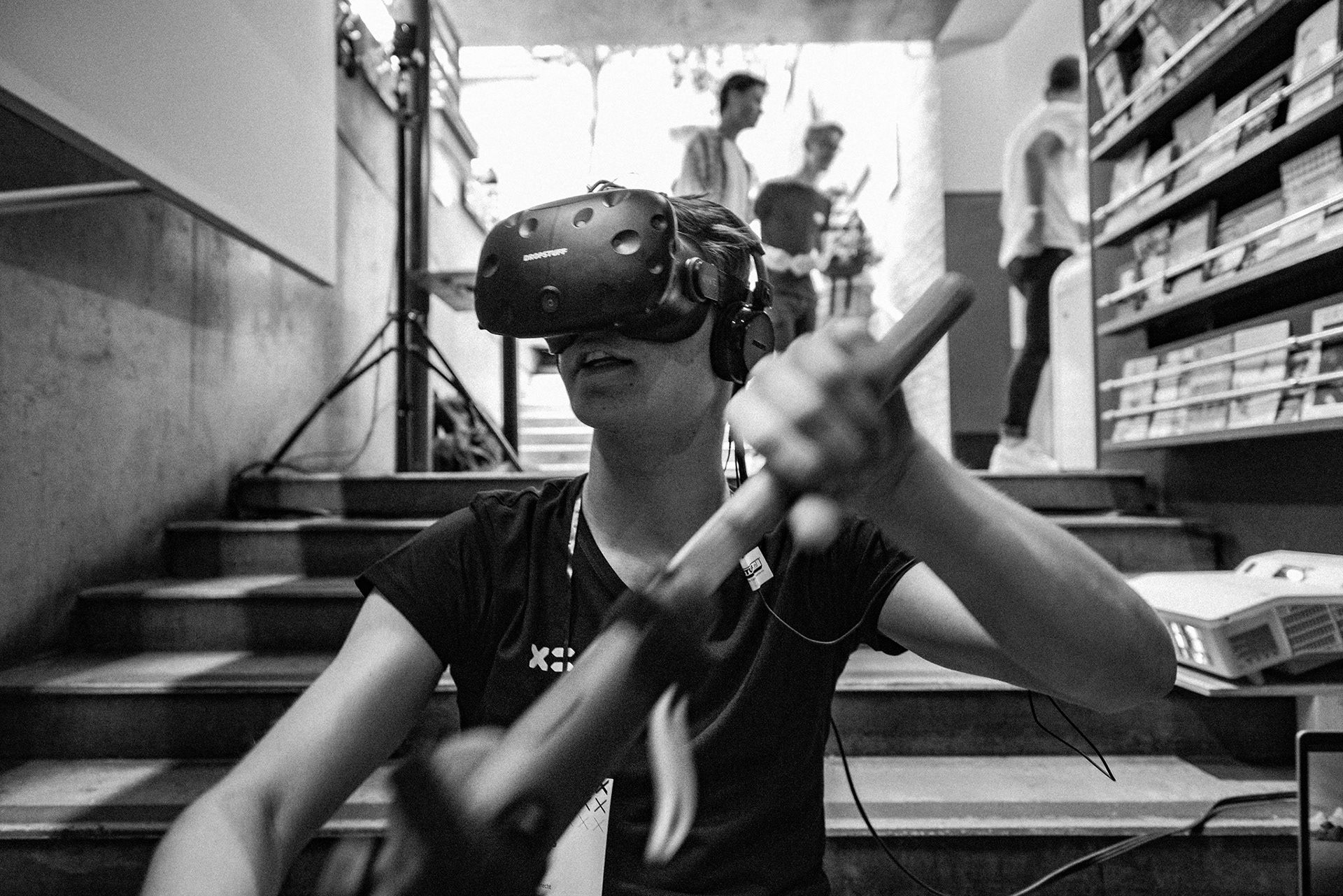
We began by exploring the technology itself. We played various VR games and tried to understand the main control schemes how they worked and how they could be designed in a way that was as user-friendly as possible. A good VR user experience needs to be highly intuitive and feel like the real world. People perceive and interact with virtual reality almost as if it’s real, so we wanted the interactions to feel natural. Our goal was to create a calming experience something that would reduce rather than increase stress, ideally providing around 20 minutes of relaxation. We were aware that light exposure can trigger cortisol production, yet we didn’t want to abandon VR entirely. So, we focused on other sensory outputs to support relaxation such as sound, environment design, scent, and the exclusion of real-world stimuli.
Design Solution
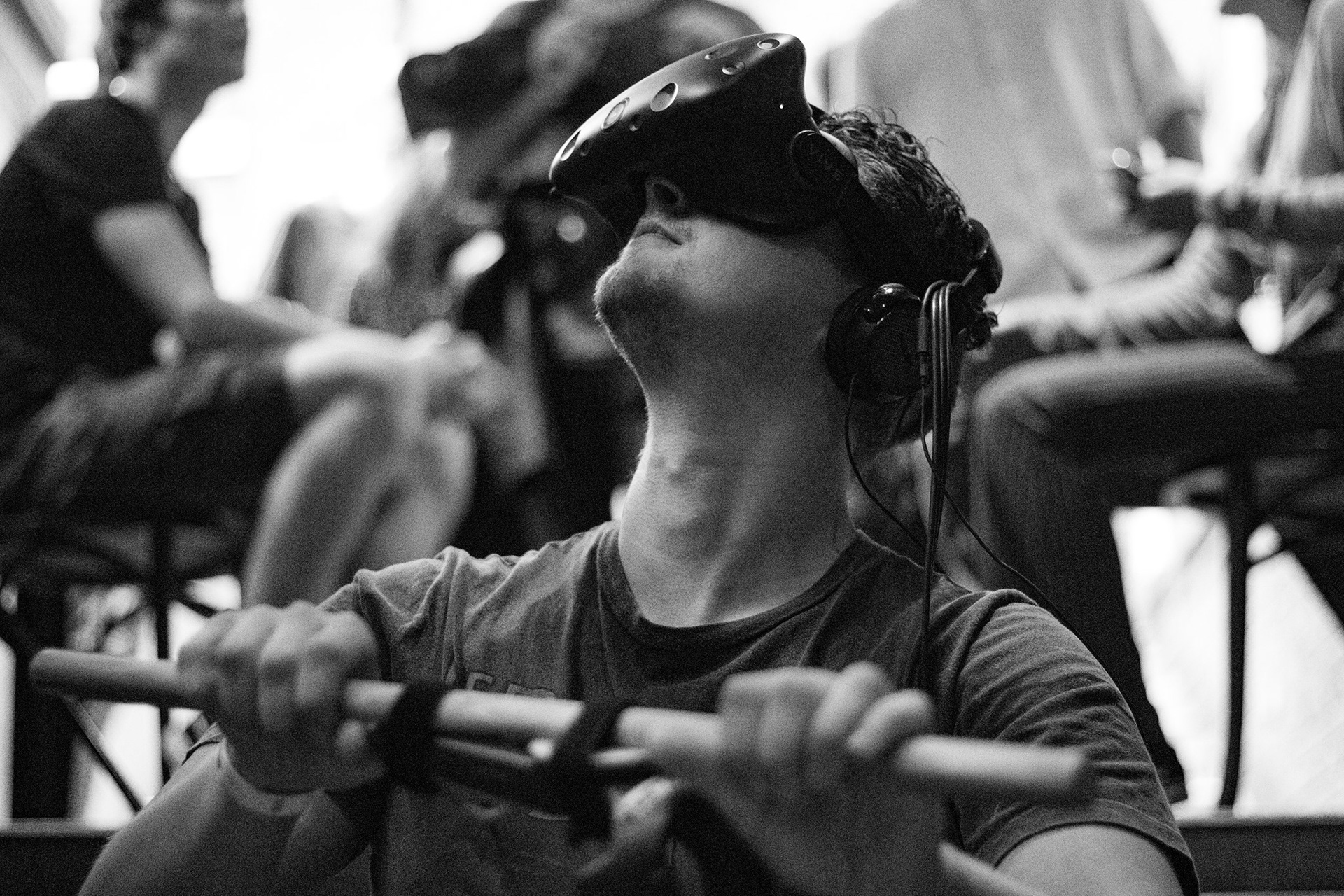
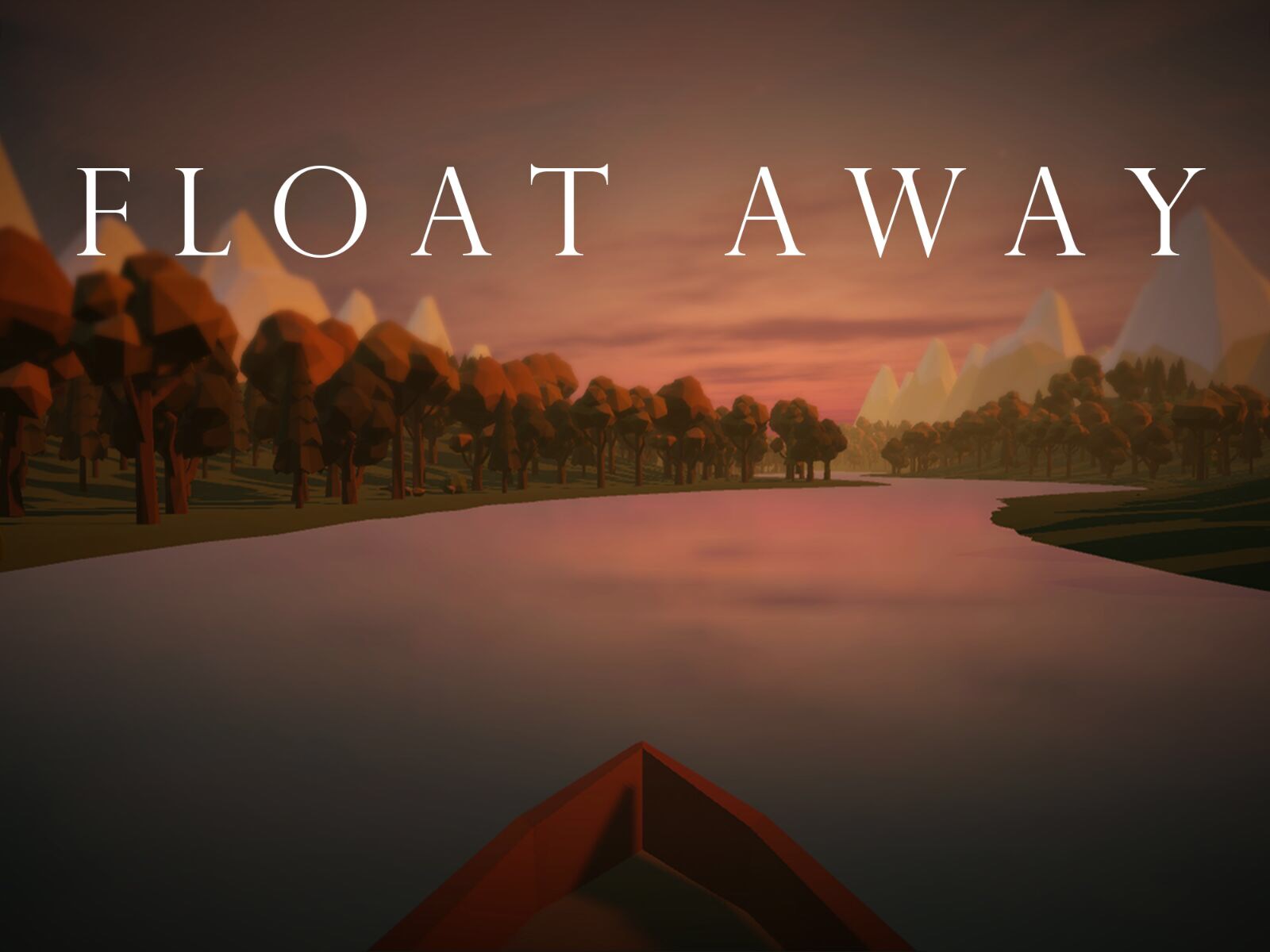
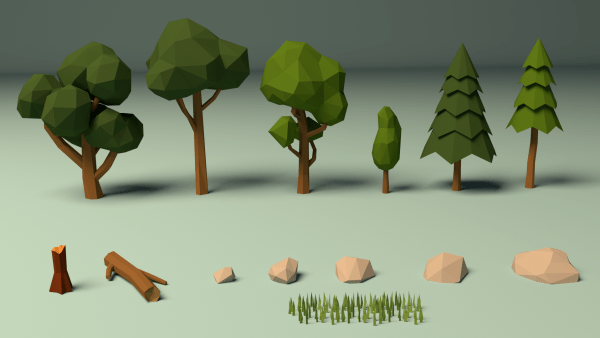
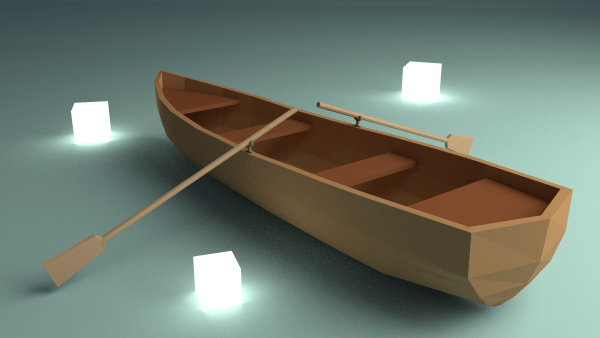
The solution we created was a low-polygon natural environment with mountains and a river, where users could slowly row through the scenery in a boat. Interaction was kept minimal, limited to a custom-made controller that allowed rowing adding to the sense of immersion. Alongside environmental sounds, we played a 936 Hz frequency, which is believed to stimulate the pineal gland and promote melatonin production, thereby helping to suppress stress hormones. The experience lasted around five minutes and looped seamlessly, so users barely noticed the transition. There was always a natural moment where users felt they could exit the experience. We used C# to program the interactions in the Unity engine and created 3D assets in Blender. The mountains, trees, river, boat, paddles, rocks, and skybox were all imported and assembled in Unity to build the final experience.
Reflection
This was my first time working with C#, Blender, VR, the HTC Vive, and immersive technologies in general. It landed us a nomination for the Spinawards and a ticket for the X= Tech festival in Utrecht. Looking back, I can see there were things we could have done differently. For example, we imported all 3D assets separately, whereas it would have been more efficient to combine non-interactive elements into a single object in Blender. That would have saved a significant amount of processing power. Another important question is whether this experience actually helped people relax or whether it was more of a gimmick, driven by the novelty of new technology. At the time, immersive tech was on the rise and seen as a solution to almost everything. With what I know now, I believe it’s better to think in medium-independent terms starting with the problem and then determining the most appropriate medium, rather than starting with a medium and searching for problems it can solve.