A chatbot to counter polarization in society
Context
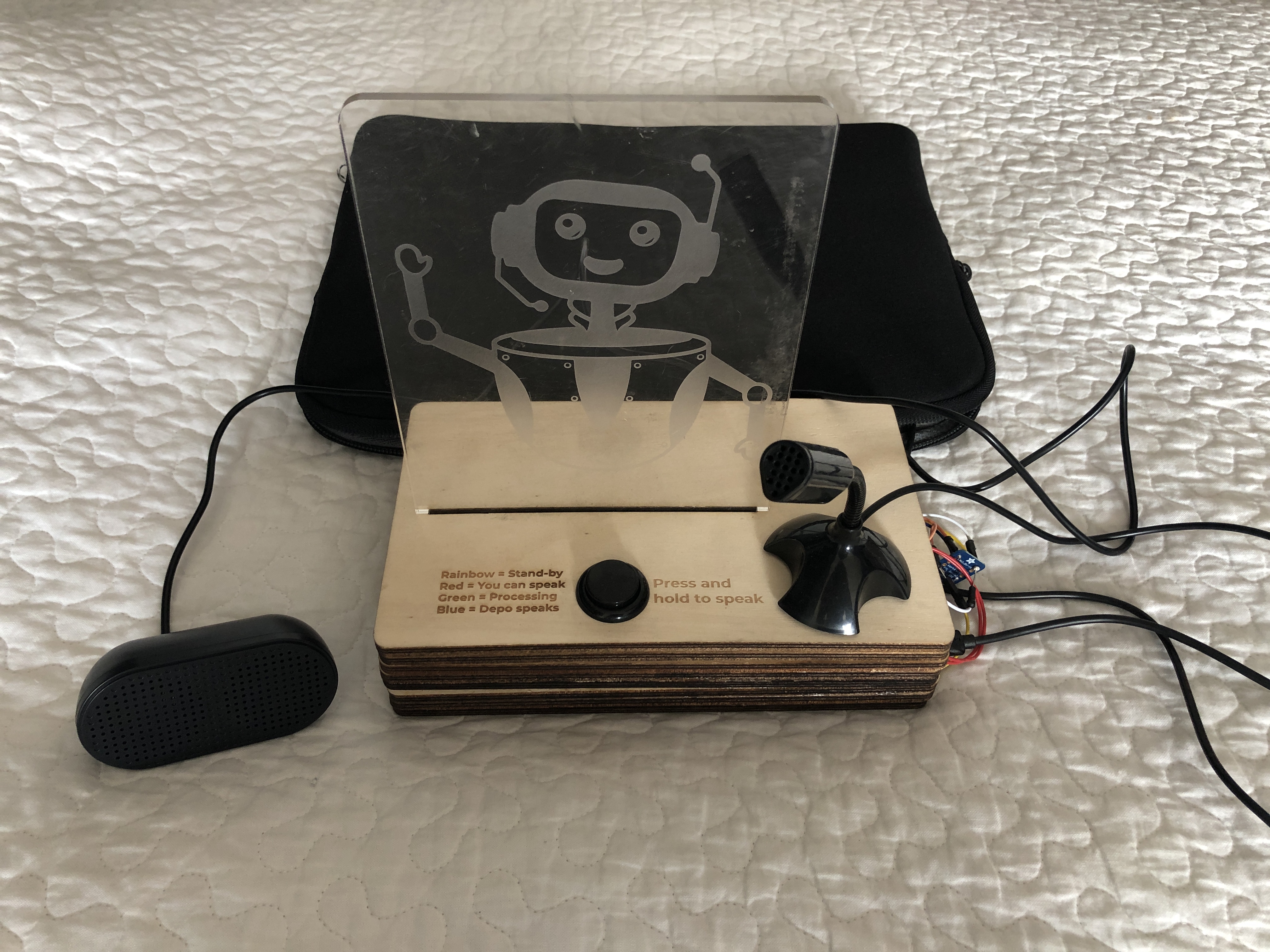
I really hate polarization. It drives us apart in our society and stimulates extreme opinions to be outed. The people who suffer are the nuanced crowd who is affraid to speak out. That's why I wanted to design something that lowers affectional polarization. A chatbot that tries to stimulate objective reasoning and always takes an opposing stance without making the user feel attacked. The Depolarization Chatbot; DEPO. How can we reach meaninfull dialog wihout adding to polarization?
The initial research phase revealed several obstacles to meaningful digital dialogue. Traditional online discussions often lack empathy, provide little feedback, and can easily lead to misunderstandings or entrenchment. I noticed that users often feel lost or hesitant, particularly when interacting with unfamiliar conversational technology. Early user testing with a basic, text-based prototype in Visual Studio Code showed that participants were unsure how to start a conversation and found the interface uninviting and cognitively demanding. Important feedback cues, such as knowing when to speak, or understanding what the system was doing were missing, which resulted in confusion and frustration. Users also had difficulty keeping track of the conversation and sometimes felt rushed by preset speech input timeframes.
Research & Insights
The feedback from the first tests made it clear that for DEPO to succeed, the interface had to reduce cognitive load, provide continuous feedback, and offer a more intuitive, inviting experience. The solution would require a shift from traditional graphical user interfaces to a more physical and sensory approach.
Used methods
Design Solution
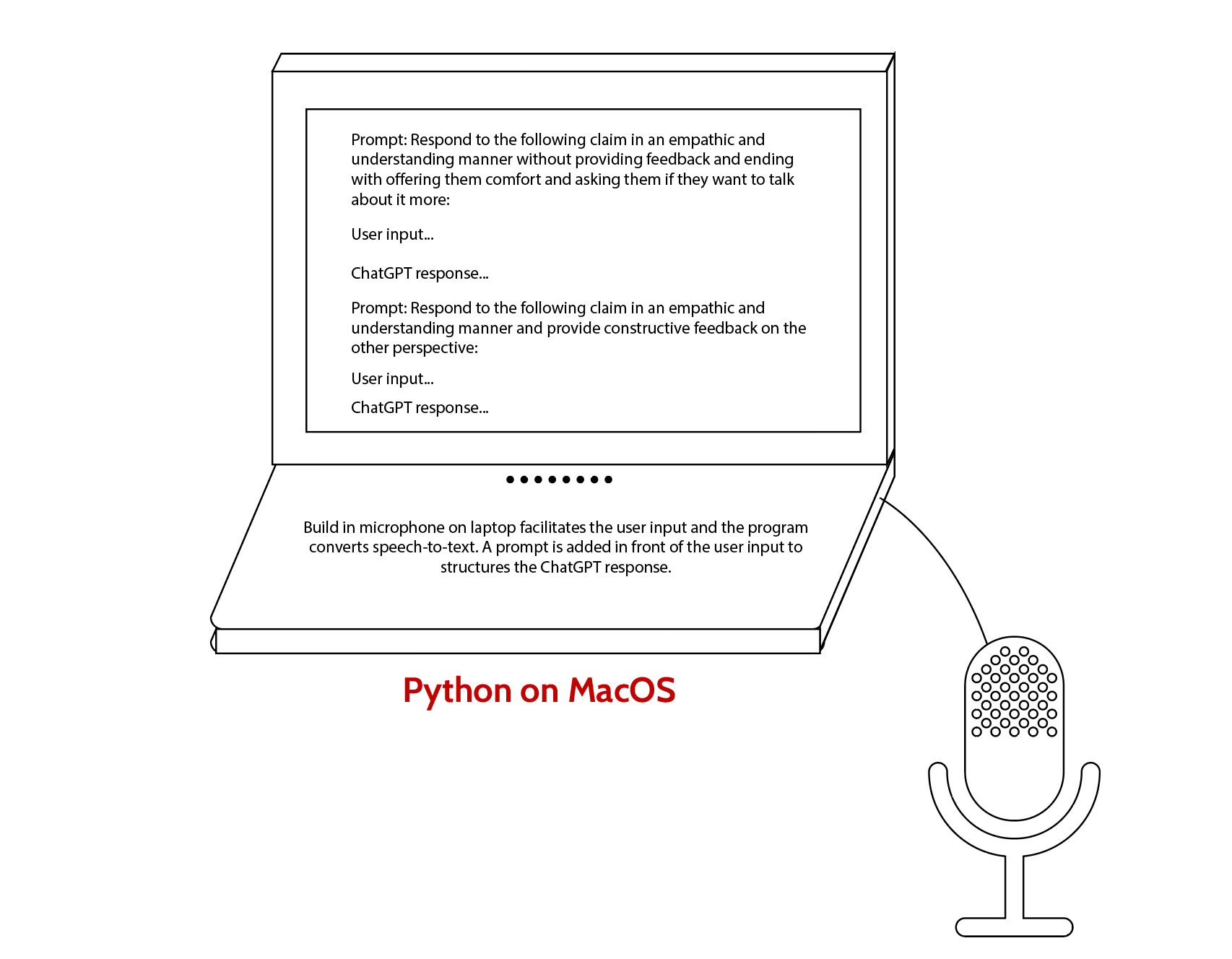
To make the interaction feel as natural as possible, I began by implementing speech recognition using Python, allowing DEPO to capture spoken input while automatically distinguishing between ambient noise and actual speech. Users were guided step-by-step, with clear signals about when to speak and feedback if their input was not recognized. After capturing the user's input, the system converted speech to text and sent it to OpenAI's GPT-3.5 Turbo model. For the initial response, the model was prompted to listen empathetically, offer comfort, and encourage elaboration without immediately introducing opposing views. In later conversational turns, DEPO gently introduced constructive feedback and alternative perspectives, adhering to public deliberation principles.
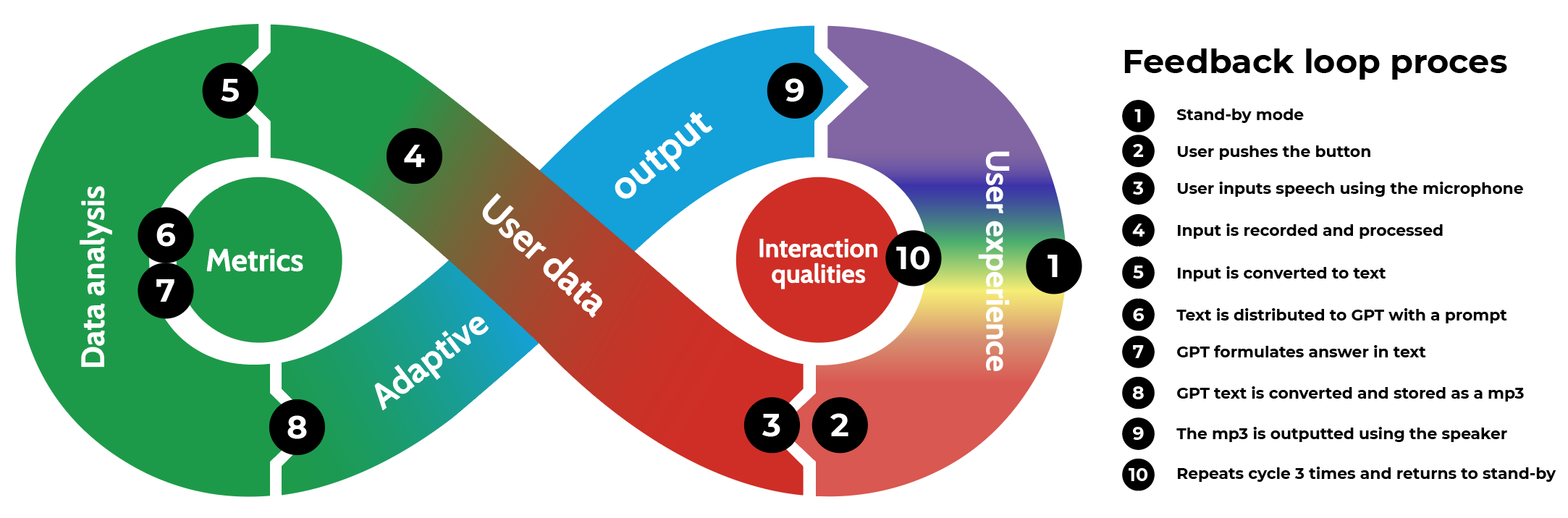
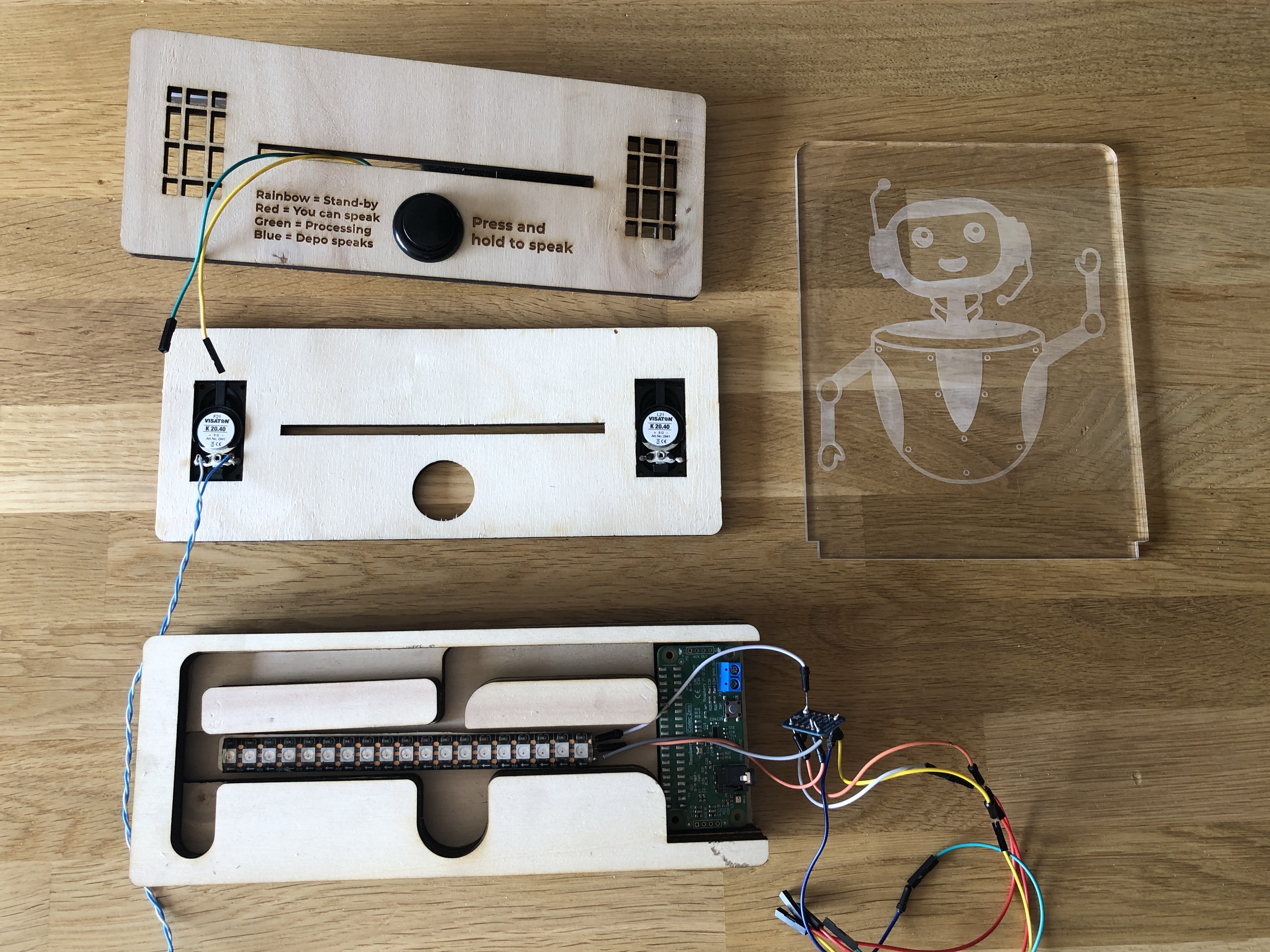
Instead of relying on a computer screen, I designed a physical interface built around a Raspberry Pi 3, with a custom laser-cut acrylic display and integrated LED lighting. This setup replaced the distracting text-based terminal with clear, ambient light feedback that intuitively indicated the system's state: a glowing red for recording, green for processing, and blue for output, with a rainbow standby mode. The lights made it instantly clear what was happening, reducing the need for users to read or interpret text during the interaction. A physical button allowed participants to start speaking when they felt ready, giving them a greater sense of control and agency.
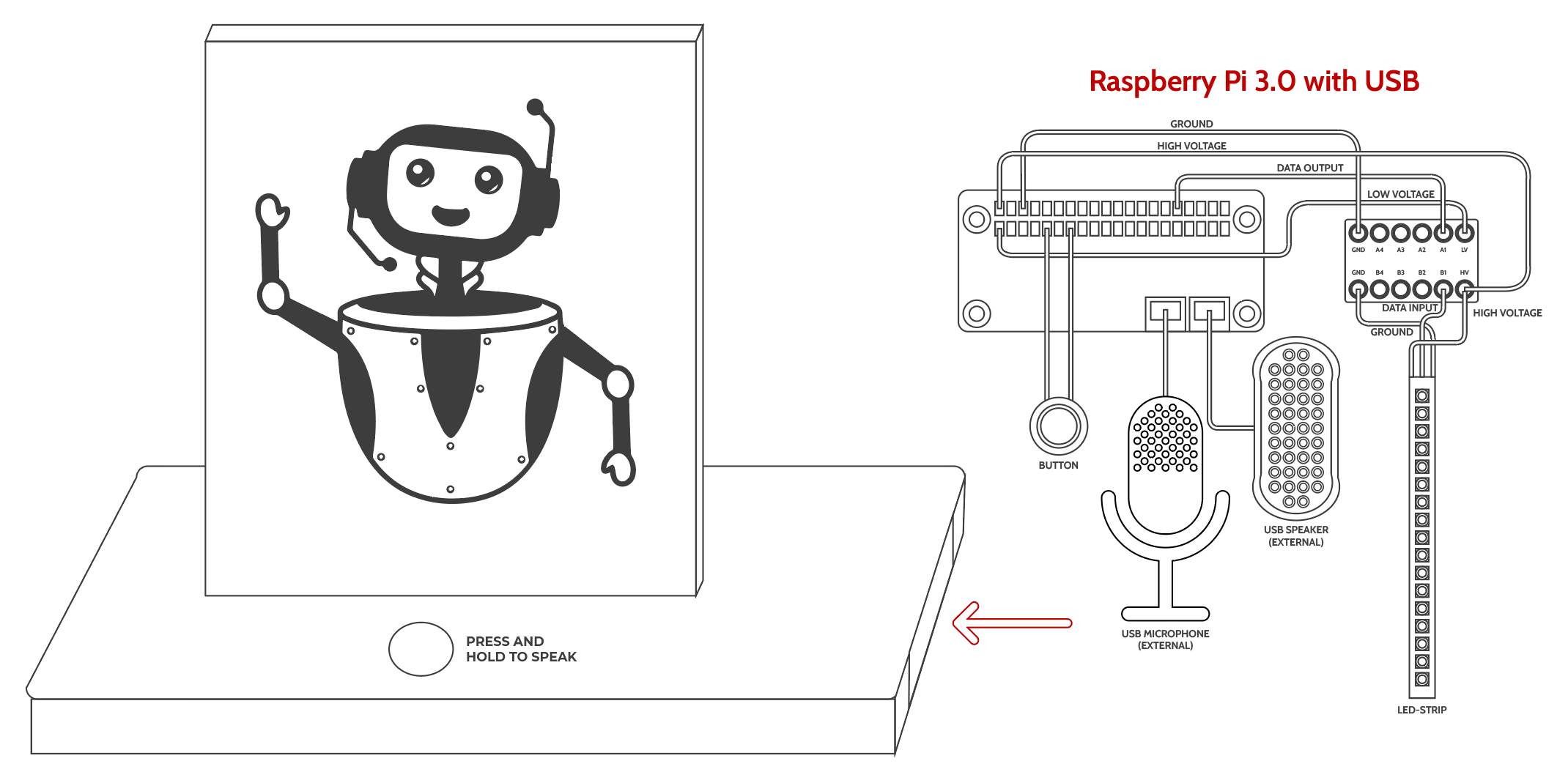
During the process, I recognized that not all users were equally receptive to counterarguments, especially at the beginning of a conversation. To make DEPO more adaptive, I implemented a simple sentiment analysis using keyword detection. By analyzing user input for emotional cues, DEPO could decide whether to continue listening empathetically or move on to providing constructive feedback, making the conversation more personalized and emotionally intelligent.
Deliverables
Reflection
Developing DEPO was a valuable lesson in how user experience, artificial intelligence, and physical design can come together to address complex social challenges. The project underscored the importance of continuous feedback, clear onboarding, and reducing cognitive demands, especially for innovative interaction types like voice-based chatbots. By moving away from the conventional screen and focusing on tangible, intuitive feedback, DEPO created a more engaging and comfortable experience for users.
User feedback throughout development was instrumental. Testers reported that the physical interface and light feedback made the experience less intimidating and more inviting, while the button for input gave them confidence and a sense of control. Although the system's AI sometimes produced repetitive answers, and technical challenges with hardware integration had to be overcome, the prototype proved the potential for combining conversational AI with physical design to encourage open, constructive dialogue.
While there is still room for improvement, particularly in response diversity and emotional intelligence, DEPO offers a solid foundation for further exploration of how technology can foster understanding and reduce polarization in society.